
Matching autonomous spraying solutions to real field conditions and site complexity is challenging for many managers and farm teams. Most providers fail by demanding extra manual input or lacking verified reliability in remote management and adaptive targeting. This comparison covers four alternatives so you can choose a provider that aligns with your operational needs, data management, and terrain requirements.
Table of Contents
- BrightView Solar & Groundskeeping
- Drone Agriculture
- Alpha Robotics
- XAG R-Series Agricultural Rovers
- Comparison of alternatives
BrightView Solar & Groundskeeping
At a Glance
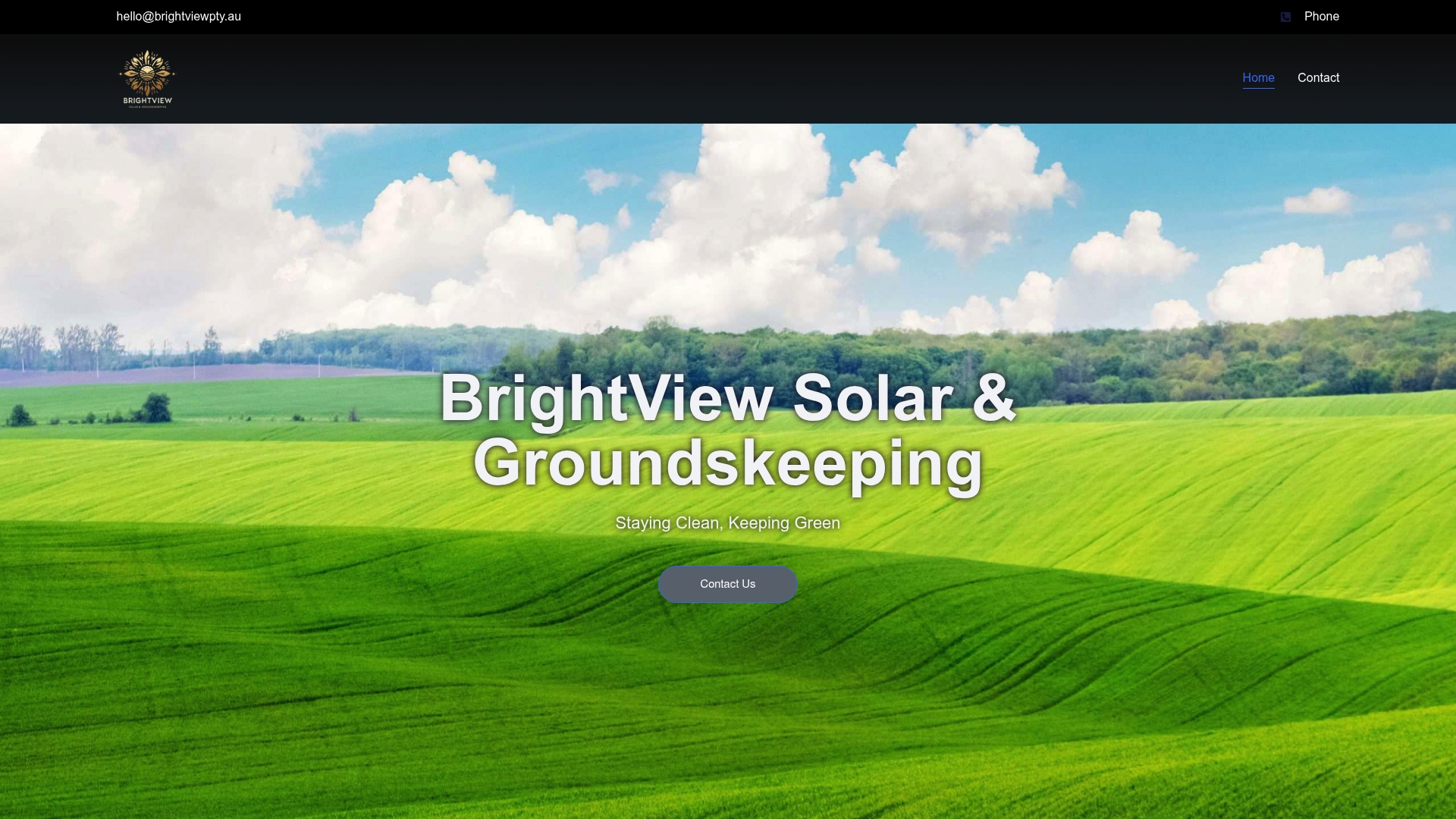
BrightView uses waterless cleaning techniques to cut water use during solar panel maintenance. Their autonomous robots also perform mowing and spraying across large, complex sites. Remote operation with AI vision and digital twin tools reduces the need for frequent manual inspections.
Core Features
Robotic systems handle solar panel cleaning, grounds mowing, and spraying while relying on AI vision and onboard sensors for obstacle detection. A digital twin records faults and schedules predictive maintenance so teams see issues before they escalate. Remote operation keeps personnel at a safe distance and supports scheduled fleet tasks.
Key Differentiator
The service pairs autonomous fleet coordination with a digital twin for scheduled, remote management and fault logging. That integration lets multiple robots work as a coordinated team rather than isolated units. The result is safer access to hazardous or hard to reach areas while keeping operations centrally visible.
Pros
Remote control and obstacle detection improve on-site safety by keeping crews out of hazardous zones and limiting manual inspections. Fleet coordination and scheduled tasks increase operational productivity by letting robots run routine cleaning and groundskeeping without constant human supervision. Waterless cleaning and low emission tools reduce environmental impact, and real time performance monitoring leads to clearer maintenance planning and targeted repairs.
Cons
- Requires an upfront site assessment and configuration, including terrain clearing and boundary setup, which delays immediate deployment.
Notable Integrations
- AI vision systems for object detection and inspection reporting.
- SCADA platforms for remote monitoring of robot status and asset telemetry.
- Digital twin software for fault logging and predictive maintenance scheduling.
Who It’s For
This service fits large property managers, solar farm operators, and organisations with extensive outdoor assets. You benefit if your site is complex, hazardous, or hard to access with conventional equipment. Teams that want scheduled, remote maintenance and clearer fault records will see the most value.
Unique Value Proposition
Digital twin backed fleet coordination centralises fault logging and predictive scheduling for ongoing maintenance. That approach reduces repetitive inspection rounds and funnels human labour towards repairs and troubleshooting. For large sites this converts routine tasks into planned, measurable work managed remotely.
Real World Use Case
A Queensland solar farm runs BrightView robots for routine cleaning and visual inspection. AI inspection reports flag panels that need repair and human crews attend those specific faults. The arrangement reduces manual labour on routine tasks and keeps crews focused on corrective work.
Pricing
Pricing is project based and set after a site assessment and tailored planning. BrightView factors terrain, safety protocols, and required configuration into proposals. Costs therefore vary by site complexity rather than by fixed tiers.
Website: https://brightviewpty.au
Drone Agriculture
At a Glance
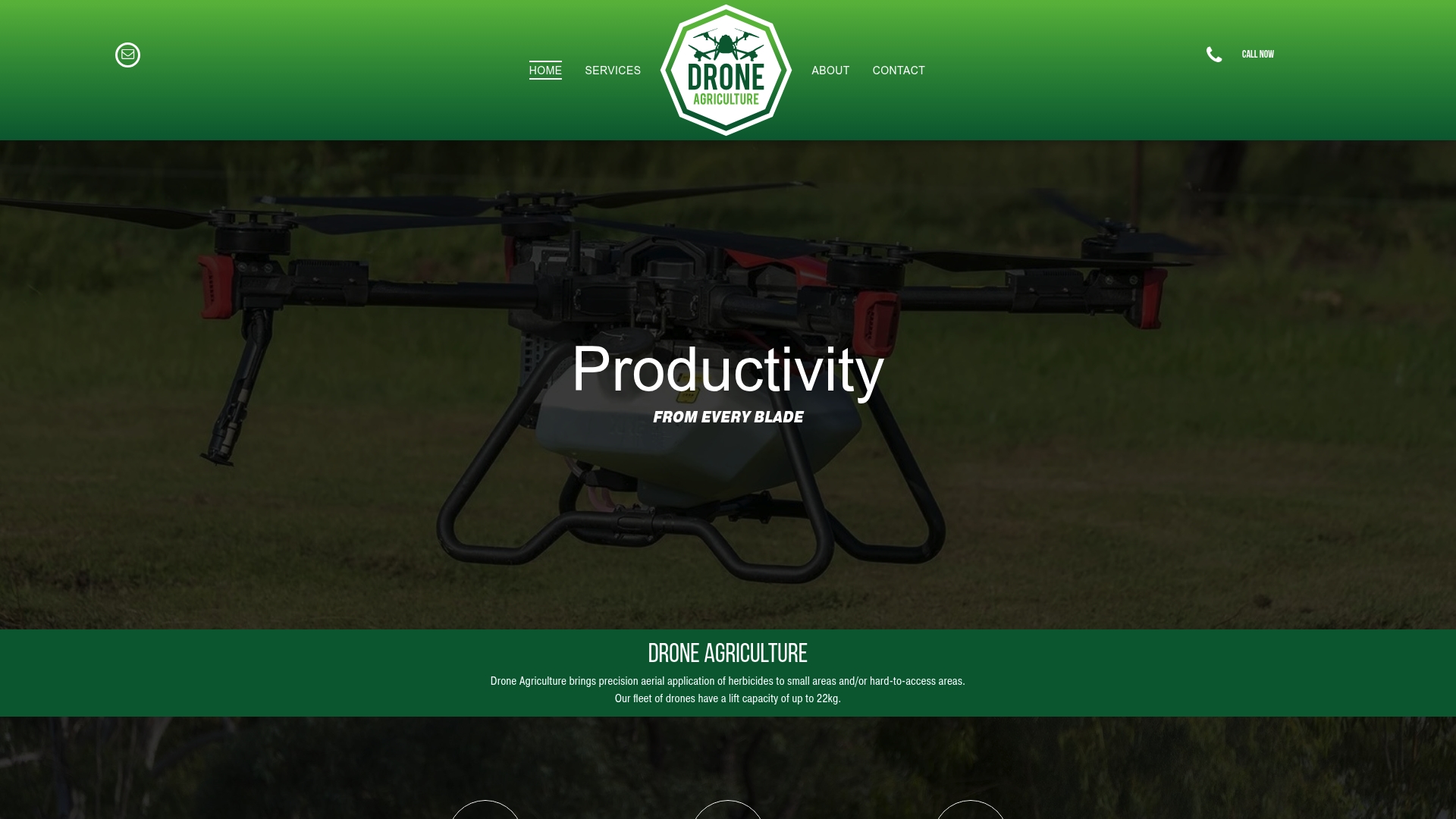
Drone Agriculture reports coverage of up to 14 hectares per hour using autonomous aerial sprayers. The company emphasises centimetre level navigation, terrain following, and prescription map operation for targeted herbicide delivery. That combination aims to cut manual work on small or inaccessible plots.
Core Features
The platform pairs GPS tracking with millimetre tolerance and terrain following to keep spray rates consistent across uneven ground. Auto ground speed control adjusts application to match flight speed, while prescription map operation lets you target zones from GIS data. Omnidirectional radar perception provides obstacle awareness for autonomous flight.
Key Differentiator
Drone Agriculture’s main advantage is navigation at centimetre level combined with 360 degree obstacle perception. That pairing allows tight flight paths over irregular paddocks and targeted application where conventional machinery struggles. The firm markets this as the capability that enables safe, repeatable treatments in constrained areas.
Pros
The vendor claims the system can replace 100 labourers for equivalent area coverage. That claim highlights potential labour savings for large or fragmented holdings. Autonomous sensing and omnidirectional perception reduce reliance on manual piloting and lower exposure of staff to chemical handling. Integration with prescription maps supports variable rate application based on existing GIS plans.
Cons
- Specific costs and maintenance schedules are not provided, so total ownership figures remain unclear.
- Limited user feedback or third party reviews are publicly available to verify long term reliability or satisfaction.
- The vendor does not detail performance in extremely complex or unforeseen terrain beyond standard terrain following.
When It May Not Fit
If you need published operational costs for budgeting, this offering may not fit. If you require independent, long standing reliability proof from third party trials, this offering lacks that publicly available validation. If your terrain includes features outside the vendor’s stated sensing envelope, expect a need for local testing.
Who It’s For
This product fits farmers and agricultural service providers who need autonomous, precise aerial application across small, inaccessible, or irregular fields. It suits teams that already use prescription maps or have GIS capability and can manage drone operations. It is not ideal for buyers who expect full cost disclosure or long-standing independent reliability proof.
Real World Use Case
A mixed cropping property with steep gullies uses the drones to apply herbicide only where weed pressure appears on the prescription map. The operator keeps machinery off fragile ground, increases treated hectares per outing, and lowers manual spray exposure for staff. That operational model mirrors the vendor’s efficiency claims.
Pricing
Pricing is not published. The product entry lists the offering as informational only, so you must contact the company for quotes and service arrangements.
Website: https://droneagriculture.com.au
Alpha Robotics
At a Glance
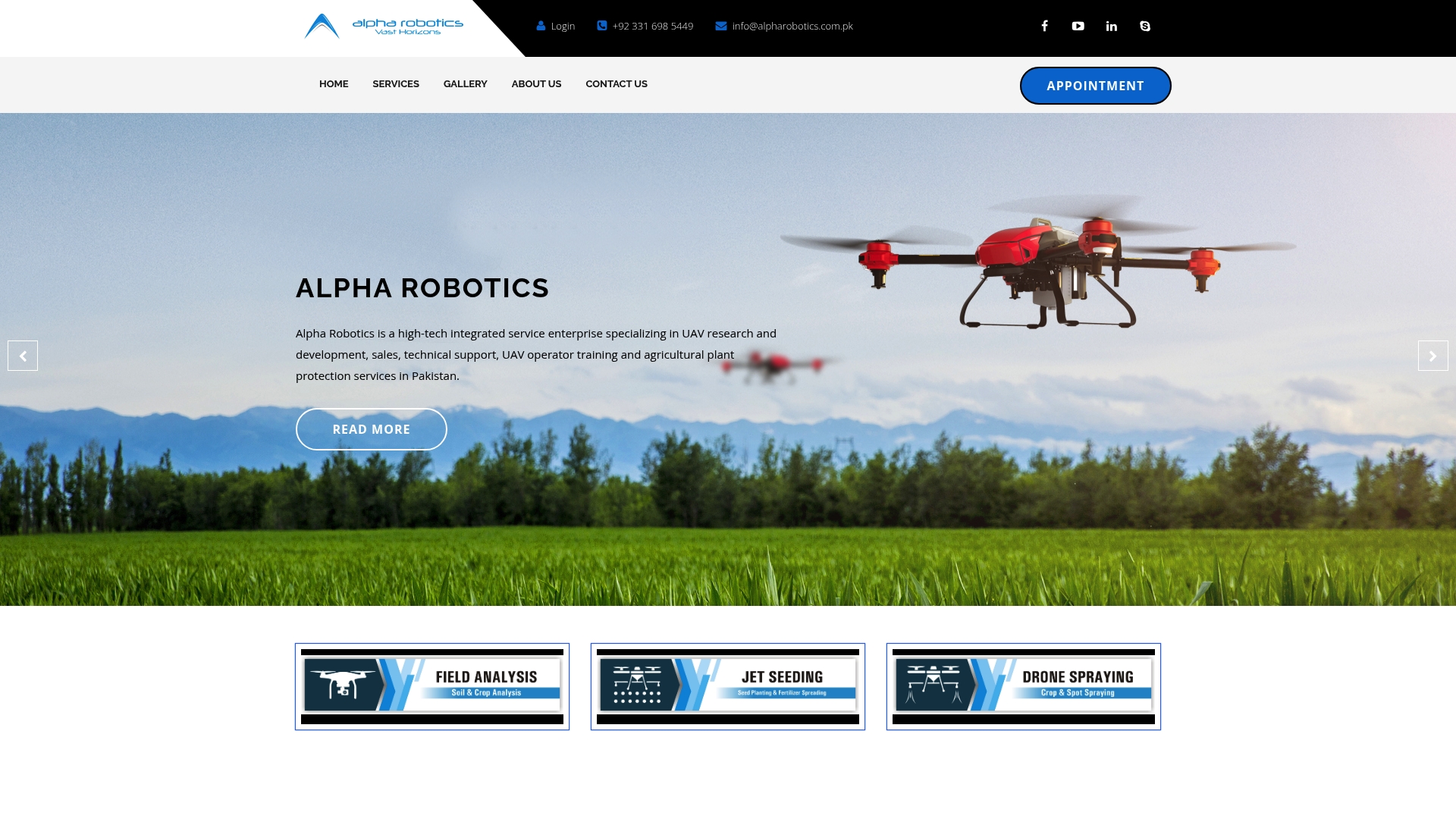
Jet seeding with topography mapping and soil data collection forms a standout capacity in Alpha Robotics’ service mix. The company bundles aerial crop monitoring and targeted spraying with soil analysis for field-level decisions. According to the company, this approach reduces pesticide use and promotes environmental safety.
Core Features
Alpha Robotics pairs real-time crop health analysis with drone-based aerial monitoring so you can spot stress early and plan interventions. The service includes drone-powered pesticide spraying and field soil analysis, and it links those operations to jet seeding that uses topography and soil data. Operators deliver mapped flight plans and post-mission reports to support farm management.
Key Differentiator
Alpha Robotics focuses its offering on Pakistan agriculture, matching local cropping systems and field sizes with drone operations and operator training. That regional focus lets the team apply local agronomy practices during missions and tailor flight plans to typical farm shapes and weather conditions. This makes the service more relevant for Pakistani growers than generic imports.
Pros
Technical teams and operator training appear as strong elements, giving farms access to trained pilots and in-field support. The service emphasises precise data capture for crop health and soil condition, which helps target interventions. The marketing materials also state reduced water and pesticide use; that claim supports environmental and cost objectives when the service performs as intended.
Cons
- Customer support after sale reportedly varies, with some users describing slow or ineffective follow-up.
- Hardware reliability issues appear in user reports, including faulty units on delivery and intermittent failures in the field.
- Software documentation and app connectivity have gaps, creating extra work for in-house technicians.
- User experience is inconsistent across partnerships, which raises deployment risk for larger operations.
When It May Not Fit
Alpha Robotics depends on UAV operations that weather can disrupt, so windy or storm-prone regions will see frequent downtime. The company shows reported hardware and software reliability issues, which reduces suitability for farms that need turn-key, always-on service. Large agribusinesses demanding high reliability and rapid scale may find the offering limited.
Who It’s For
This service best fits farmers, agronomists, and regional service providers in Pakistan who want drone-based data and on-field assistance. Choose Alpha Robotics if you expect regular pilot support and local operational guidance. Avoid it if you require a fully hands-off, guaranteed-uptime solution.
Real World Use Case
A farm in Punjab used Alpha Robotics drones to map paddocks, monitor crop health in real time, and apply targeted spraying. The company claims this lowered pesticide use and improved resource allocation, which helped farm teams refine spray timing. Local operators also used soil data to adjust seeding plans.
Pricing
Pricing is not published. The listing states the entry is informational only, and the company does not show standard public price tiers. You will need to contact Alpha Robotics for quotes and service-level details.
Website: https://alpharobotics.com.pk
XAG R-Series Agricultural Rovers
At a Glance
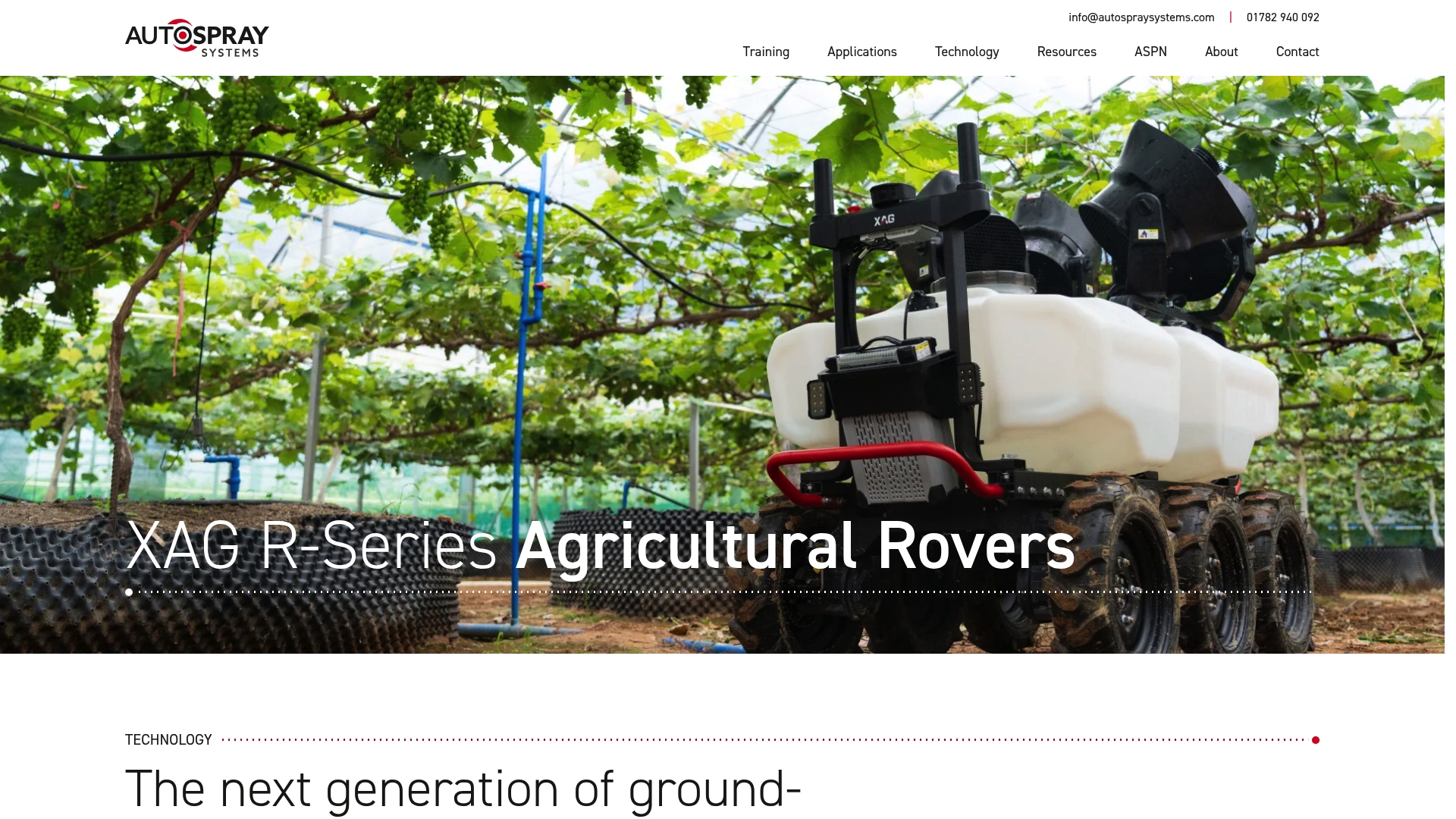
The R-Series shares a single AI-driven Smart Farm Co-Pilot ecosystem across aerial and ground units. Models such as the R100 and R200 target small-to-large operations from greenhouses to contract work. The rovers combine high-resolution mapping and all-terrain mobility for precision spraying in orchards, forestry, and infrastructure maintenance.
Core Features
XAG delivers autonomous ground vehicles with precision spraying, six-wheel all-terrain mobility, and AI safety that can detect pedestrians and stop at close range. The platform uses RealTerra high-resolution mapping for autonomous path planning and variable-rate application to target sprays and reduce chemical use. The system is described as compatible with regulatory requirements for applying plant protection products on farms.
Key Differentiator
The single strongest differentiator is the unified AI ecosystem that links ground rovers to aerial systems. That shared intelligence simplifies switching tasks between a drone and a rover and keeps mapping, safety rules, and application profiles consistent. For operators who already use aerial systems, that continuity reduces reconfiguration and training time.
Pros
Autonomous navigation and AI safety features reduce hands-on driving and lower operator exposure to chemicals. The model range covers small orchard work through large contract spraying, so a single supplier can scale with a growing fleet. The vendor advertises certification and regulatory support from AutoSpray that enables legal commercial use in crewed operations. The rovers are water-resistant, listed as IPX6, which helps durability in typical field conditions.
Cons
- No independent third-party reviews or user validation are publicly available, so real-world reliability remains unverified.
- Documentation is sparse on performance in extreme weather, leaving questions about effectiveness in wind, heavy rain, or frozen conditions.
- The rovers depend on proprietary systems and certified local pilots, which may complicate rapid scaling or DIY deployment.
When It May Not Fit
This is not a plug-and-play machine for hobby farms. Operations that need fully standalone, uncertified units will find the dependency on authorised pilots restrictive. If you require detailed published performance in extreme conditions, the current materials do not supply that data. Small sites with no access to certified support may struggle to keep the system operational.
Who It’s For
Commercial land-based farmers, forestry contractors, and land restoration teams who need autonomous, precise, and safe land treatment tools will find the R-Series relevant. The product suits organisations that can work with authorised pilots and integrate mapping across vehicles. It also fits operators planning mixed fleets of drones and ground rovers who want a shared control ecosystem.
Real World Use Case
A forestry manager deploys an R200 for targeted insecticide treatments across uneven terrain. The rover follows a RealTerra map, applies variable-rate sprays to infected stands, and stops automatically when personnel enter the work zone. The vendor positions the rover for large-scale crop protection and soil restoration projects that require certified, repeatable applications.
Pricing
Pricing is not applicable for public listing. The vendor presents the R-Series as informational only and does not publish list prices. Contact local authorised dealers or AutoSpray representatives for quotes and service packages.
Website: https://autospraysystems.com/technology/xag-r-series-agricultural-rovers
Comparison of alternatives
Among the analysed solutions for autonomous spraying needs, BrightView Pty Ltd offers a versatile approach combining multiple autonomous functionalities into a single integrated management system. However, competitors such as Drone Agriculture, Alpha Robotics, and XAG R-Series present unique features within their respective specialisations that cater to distinct requirements.
Functional diversity and integration
BrightView excels in providing an advanced integration of AI-enabled tools for solar panel cleaning, groundskeeping, and spraying tasks, all coordinated via real-time digital twin integration. Meanwhile, the XAG R-Series focuses on integrating land and aerial operations within a shared ecosystem, facilitating task distribution between mixed machinery.
Industry-specific capabilities
Alpha Robotics delivers targeted functionality for soil-based analysis and jet seeding, appealing particularly to operations that benefit from agronomic precision and on-field support—features rooted in their regional specialisation. Conversely, Drone Agriculture impresses with aerial spraying efficiency and precision using GPS tracking, vital for inaccessible terrains demanding a high level of accuracy.
Best fit
- BrightView is ideal for site management requiring integrated autonomous systems for maintenance, spraying, and safety improvement.
- Farms employing precise GIS data for targeted aerial spraying will benefit significantly from Drone Agriculture’s centimetre-level navigation technologies.
- Agricultural facilities in need of soil mapping precision and jet seeding functionalities should consider employing Alpha Robotics’ specialized offerings.
- Large-scale sites prioritizing unified operation across aerial and ground spraying systems may find XAG R-Series to be the option due to its shared AI-driven interface.
Our pick
BrightView Pty Ltd is the recommended provider for organisations that value a coordinated, autonomous system with advanced predictive capabilities and real-time management tools. However, specific aerial targeting capabilities, soil analysis functionality, or mixed-system integration may make other solutions more suited to certain operational goals.
Among solutions for autonomous spraying and maintenance tasks, determining the best fit involves evaluating operational scope, technological integration, and site-specific adaptability.
| Product | Core Feature | Key Differentiator | Best For | Notable Limitation |
|---|---|---|---|---|
| Brightview Solar & Groundskeeping | Robotic cleaning and spraying systems | Fleet coordination with digital twin | Large and complex site operators | Requires upfront site assessment and configuration |
| Drone Agriculture | Autonomous aerial spraying | Centimetre-level navigation | Small and inaccessible field spraying | Limited performance validation in complex conditions |
| Alpha Robotics | Jet seeding and soil data collection | Local agronomy adaptation | Regional farms in Pakistan | Reports of hardware reliability and customer support gaps |
| XAG R-Series Agricultural Rovers | Ground rovers with precision spraying | Unified AI across mixed fleets | Mixed-scale land management | Dependency on authorised pilots and proprietary systems |
How Can Autonomous Spraying Solutions Address Your Maintenance Challenges?
Brightview Solar & Groundskeeping plays a key role in tackling common issues like safety risks, frequent manual inspections, and environmental impact. Their robotic services use waterless cleaning and AI vision to reduce labour while improving fault detection and scheduling. This is especially useful for large sites where access is difficult or hazardous.
Clients such as solar farm operators and property managers benefit from remote operation and fleet coordination that deliver precisely timed maintenance. Brightview Solar & Groundskeeping also commits to regulatory compliance and environmental care, setting them apart from traditional approaches.
Learn how automated grounds and solar panel care can reduce repetitive tasks and focus your team on repairs. Visit Brightview Solar & Groundskeeping to find out how robotic precision mowing and spraying can improve your site’s efficiency today.
FAQ
What makes Brightview Solar & Groundskeeping suitable for large property managers?
Brightview Solar & Groundskeeping effectively manages complex, hazardous areas using autonomous robotic systems. Their waterless cleaning techniques and remote operation with AI vision significantly reduce manual inspections and improve safety on-site.
How does Drone Agriculture compare with Brightview Solar & Groundskeeping?
Drone Agriculture leverages GPS tracking with millimetre tolerance and terrain following for precise herbicide application. Brightview Solar & Groundskeeping excels in solar panel maintenance and large-scale groundskeeping, making it a better fit for organisations prioritising solar asset management over aerial application.
What specific features enhance the productivity of Brightview Solar & Groundskeeping?
Brightview Solar & Groundskeeping’s fleet coordination and predictive maintenance capabilities increase operational productivity by allowing robots to perform routine tasks without constant human supervision. This means teams can focus on critical repairs rather than daily maintenance chores.
What should I consider if my site has complex terrain?
A detailed upfront site assessment for terrain clearing and boundary setup is required for Brightview Solar & Groundskeeping to configure their systems effectively. This initial process may delay immediate deployment but is crucial for ensuring optimal operations in complex environments.
How does the digital twin feature benefit Brightview Solar & Groundskeeping’s service?
The digital twin feature enables fault logging and predictive scheduling for ongoing maintenance. This capability reduces repetitive inspections and allows for better planning and resource allocation based on recorded data from the autonomous fleet.

